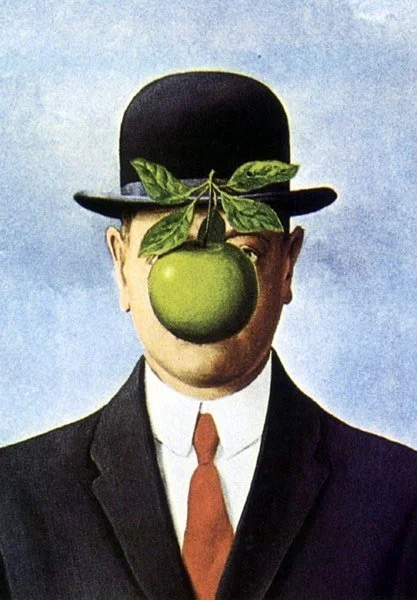
BOWLER HAT IMAGE NEXT TO POSTER OF ORIGINAL
The first time I saw The Thomas Crown Affair (1999), I couldn’t imagine a better film. It had it all an intricate caper, a love of art, the thrill of sailing, and a mental chess match between lovers. Dennis Leary was perfectly cast, the Trojan horse twist was brilliant, and the forgery subplot (complete with Dogs Playing Poker) was a fantastic nod to the art world’s layered deceptions.
This one hit my wife and me squarely in our sweet spot, and now it’s a family classic a go-to film we revisit time and again. And as an artist, I love the reverence placed on works that are beyond value. The intrigue, the style, the game it’s just too much fun.
Naturally, after falling for the remake, I had to watch the original Thomas Crown Affair (1968), starring Steve McQueen and Faye Dunaway. And let me tell you, it did not disappoint. While the remake leans into art theft, the original is more about a calculated bank heist. In a way, it feels like they blended How to Steal a Million and the original Thomas Crown Affair to create the 1999 version whoever thought of that, well done.
Both films have their own distinct charms. The characters, the panache, the style, and the way the leads play off each other—it’s something you don’t get in today’s movies. If you love art, whodunits, and great acting, these films belong on your watchlist.
And that forgery subplot? It raises an interesting question when does theft become homage? But even beyond that, both films remind us of something important: movies themselves are a form of art.
Movies as Art
At their core, both versions of The Thomas Crown Affair celebrate art not just in the plot, but in their very construction. The way a film is framed, the way light plays across a character’s face, the deliberate choices in color, costume, and camera movement every aspect is a brushstroke in a larger masterpiece.
The 1968 film, with its experimental split-screen sequences, feels like an abstract painting come to life fragmented, stylish, and unexpected. Meanwhile, the 1999 version is more like a polished oil painting, full of rich textures, bold choices, and cinematic confidence.
Both films play with themes of deception, craftsmanship, and the blurred lines between creation and imitation. The same could be said for filmmaking itself what is a remake, if not an elaborate forgery? A reimagining? An homage? Just as the best art thieves admire what they steal, the best filmmakers rework existing ideas into something new.
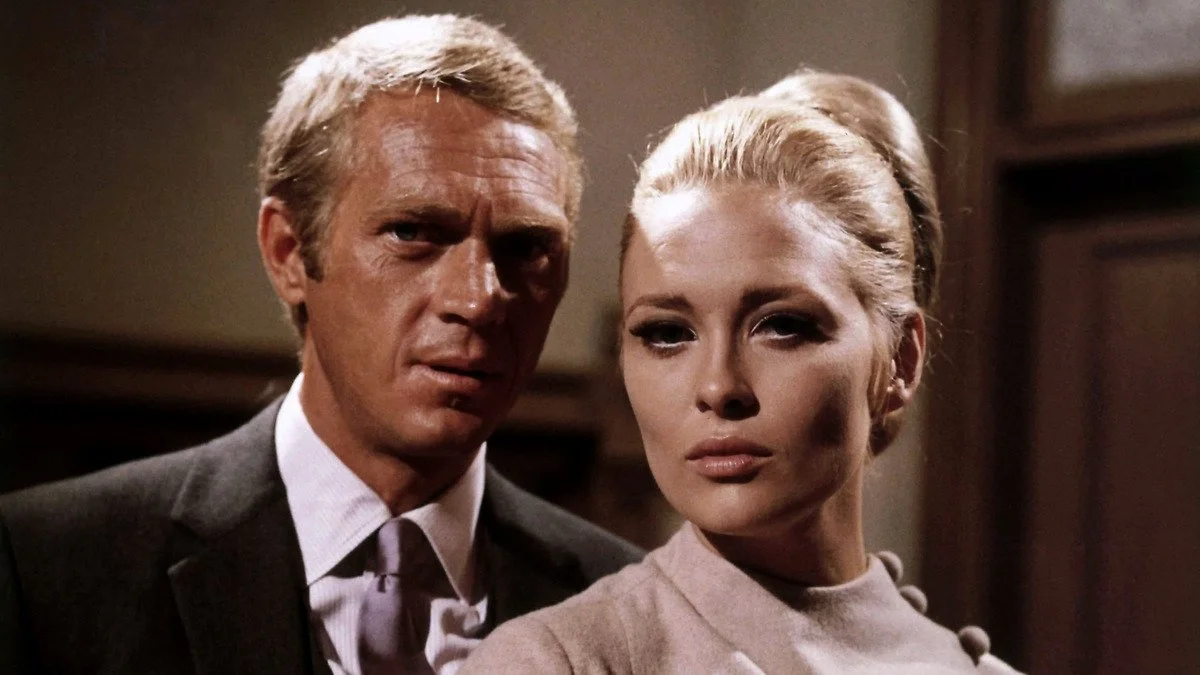
The Thomas Crown Affair (1968) – The Heist with Style
Directed by Norman Jewison, the original film stars Steve McQueen as Thomas Crown, a wealthy businessman who orchestrates a bank robbery for the sheer thrill of it. He’s pursued by Vicki Anderson, played by the effortlessly cool Faye Dunaway, an insurance investigator determined to unmask him.
This version is all about charm and control. McQueen, known for his quiet intensity, plays Crown as a man who gets what he wants, including the woman sent to take him down. The tension between him and Dunaway is electric best showcased in the now-iconic chess scene, which is as much a seduction as it is a game of strategy.
From a stylistic perspective, the film is pure 1960s cool. The split-screen storytelling, jazzy score (featuring The Windmills of Your Mind), and effortlessly chic wardrobe make it a visual treat. It’s less about the mechanics of the heist and more about the mind games that follow.
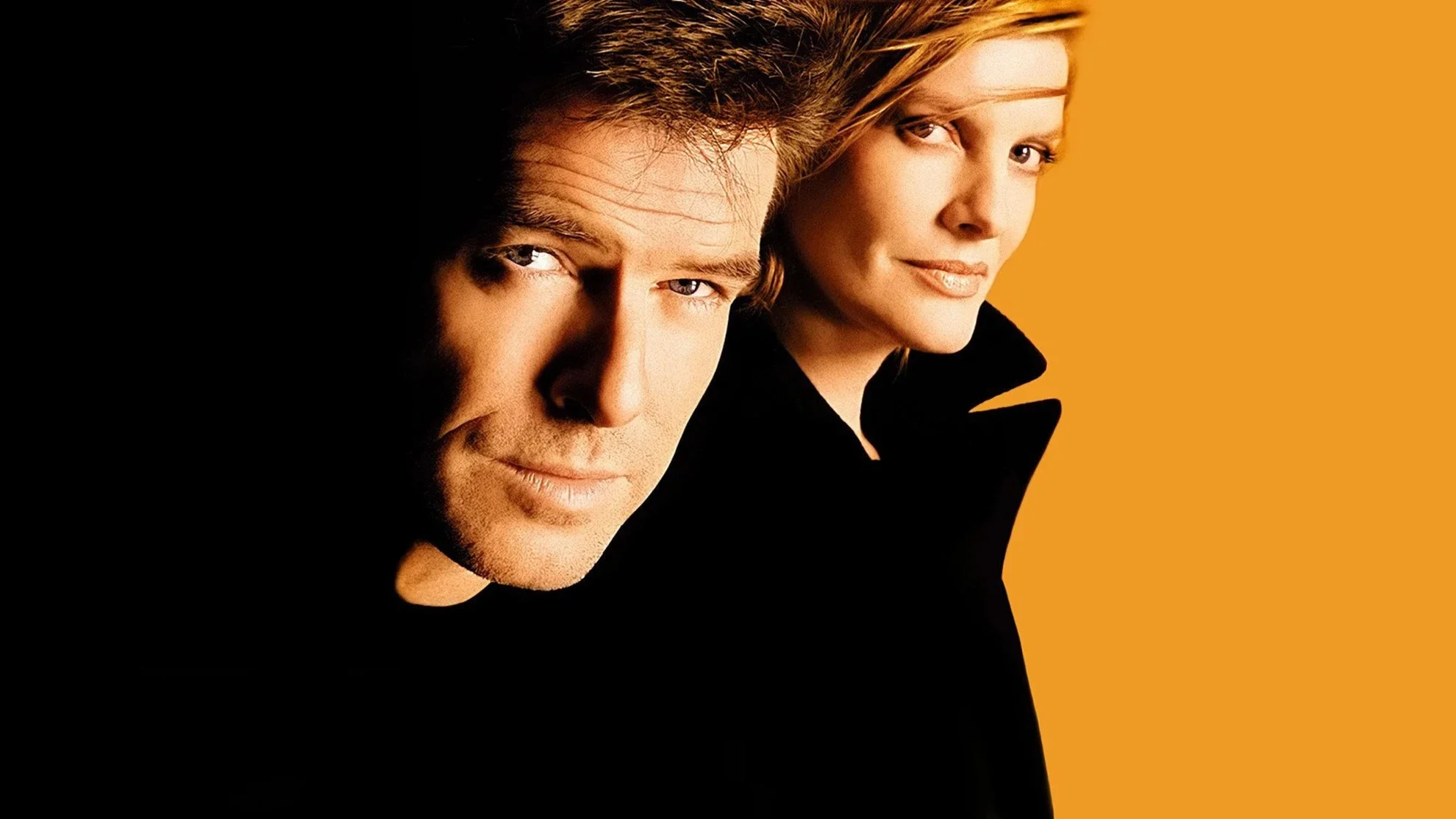
The Thomas Crown Affair (1999) – Art, Intrigue, and the Perfect Caper
Thirty-one years later, John McTiernan’s remake reimagined Thomas Crown not as a bank robber but as an art thief. Pierce Brosnan, fresh off his James Bond resurgence, plays Crown as a suave billionaire who steals a Monet from the Met just because he can. His foil? Catherine Banning (Rene Russo), a sharp-witted investigator who sees Crown’s crime as the ultimate challenge.
Where the original relied on restraint and subtlety, this version leans into passion and spectacle. The chemistry between Brosnan and Russo crackles, and their flirtation feels more overt compared to McQueen and Dunaway’s elegant dance of suggestion. The film also brings in Denis Leary as a jaded detective caught between admiration and duty a perfect casting choice.
And then there’s the ending the ultimate sleight of hand, set to Nina Simone’s Sinnerman, that leaves you grinning at the audacity of it all. Add in a cameo from Faye Dunaway as Crown’s psychiatrist, and you’ve got a film that both honors and reinvents its predecessor.
Comparing the Two Versions
Feature:
1968 Original
1999 Remake
Crime:
Bank heist
Art theft
Thomas Crown:
Steve McQueen – quiet intensity, a man in control
Pierce Brosnan – charming, playful, a lover of art
Female Lead:
Faye Dunaway – elegant, seductive, controlled
Rene Russo – bold, passionate, modern
Key Romance Dynamic:
Subtle chess-like strategy
Overt cat-and-mouse game
Style:
1960s experimental visuals, split-screen storytelling
Sleek cinematography, modern luxury, jazz-infused elegance
Best Scene:
The chess match – a game of power and seduction
The final heist – Sinnerman and the sea of bowler hats
Ending:
Ambiguous – does Crown win?
Ultimate trick – the perfect caper
Where to Watch
• The Thomas Crown Affair (1968) – Available for rent or purchase on Apple TV+
• The Thomas Crown Affair (1999) – Streaming on Apple TV+
And if you loved the art-heist angle, you might also enjoy How to Steal a Million (1966) with Audrey Hepburn and Peter O’Toole another stylish, playful take on theft in the art world. (Link breakdown of How to Steal a Million here.)
Final Thoughts – A Film as a Work of Art
Both versions of The Thomas Crown Affair offer something special. The original is a masterclass in quiet confidence and old-school Hollywood cool. The remake, on the other hand, brings a modern sheen, high-stakes romance, and a deeper love of art into the mix.
But more than just great capers, these films are proof that cinema itself is a work of art. Just as a painter layers brushstrokes on a canvas, a director composes a film frame by frame, crafting light, color, and motion into something visually and emotionally powerful.
If you haven’t watched them yet, do yourself a favor pour a glass of wine, settle in, and let yourself get lost in the intrigue.
And for those of you who have seen them, which version do you prefer? Do you love the elegance of McQueen and Dunaway, or do you favour Brosnan and Russo’s steamy battle of wits? Reach out and let me know!
As always,
Keep an open mind. Keep learning. Keep exploring.
#ThomasCrownAffair #ArtHeist #ArtInFilm #ClassicCinema #FilmAsArt #1968vs1999 #SteveMcQueen #PierceBrosnan #FayeDunaway #ReneRusso #HeistMovies #MoviesAndArt #CinematicStyle #FilmIcons #BowlerHatScene #NinaSimone #SinnermanScene #MovieRemakes #StylishCinema #ArtWorldOnScreen